
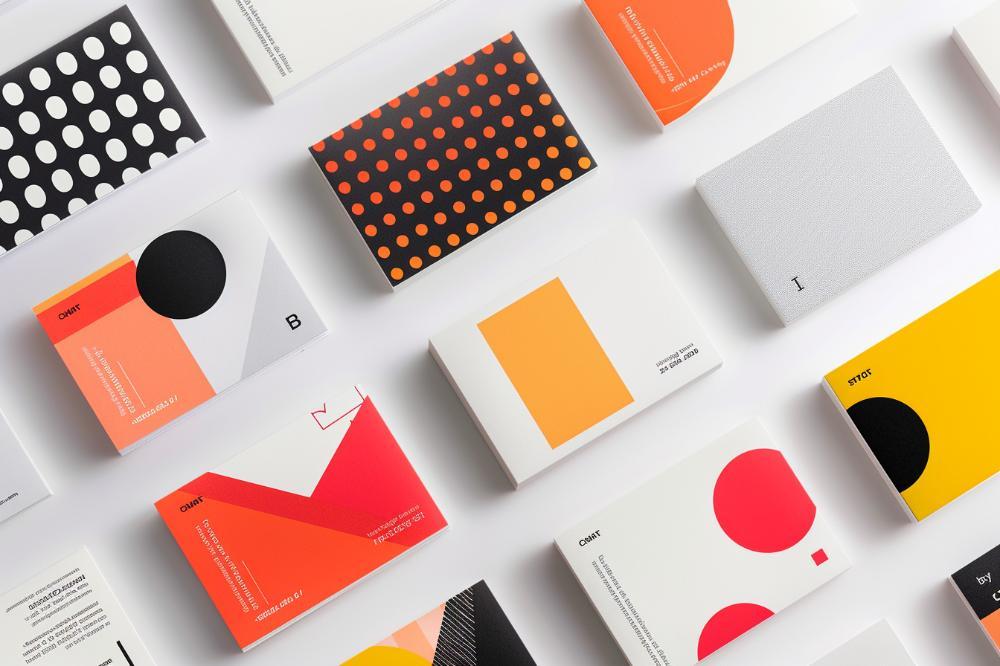
In a world where digital communication dominates, business cards might seem outdated. However, these small, printed pieces of paper are still one of the most powerful ways to leave a lasting impression. They represent your brand, convey professionalism, and can be the difference between a fleeting conversation and a fruitful business relationship.
Introduction: Why Business Cards Matter More Than You Think
But, despite their importance, many businesses still make common design mistakes when creating their business cards. The result? A card that doesn’t accurately reflect your brand, is easily forgotten, or worse, doesn’t convey the right message. Let’s dive into some of the most common business card design mistakes - and how you can avoid them.
1. Overcrowding the Design
One of the biggest mistakes when designing a business card is trying to fit too much information. A business card should be simple, direct, and easy to read at a glance. Cramping your logo, contact details, and even a slogan into one tiny space makes the card feel cluttered and overwhelming.
The best business cards prioritize key details: your name, position, company, and contact information. Keep the design clean, with ample white space to ensure everything feels balanced and legible.
If you're unsure how to start, there are solutions related to print business cards online that help you experiment with layouts and see what works for your brand’s identity.
2. Using the Wrong Font Choices
Typography plays a critical role in business card design, but often, the wrong font choice can make a card appear unprofessional or hard to read. Avoid using overly ornate or difficult-to-read fonts—especially when they are too small. Some fonts may look great on a website but fail miserably when printed on a small business card.
Stick to one or two complementary fonts that are legible and match your brand’s personality. For example, if your brand is formal and professional, choose a serif font. For a modern, clean look, consider a sans-serif font. The key is to keep it simple and consistent with your overall brand style.
3. Not Aligning with Your Brand’s Identity
Your business card is an extension of your brand. If your card design feels disconnected from the rest of your brand’s visual identity, it creates confusion and lacks impact. Consistency is key.
Take the time to align the design with your logo, color palette, and overall brand message. For example, a creative agency may choose a bold color scheme, while a law firm would benefit from a more subdued, professional look. Make sure your business card complements your website, social media, and other brand touchpoints.
4. Ignoring the Importance of White Space
It’s tempting to fill every inch of your business card with information or design elements, but this can overwhelm the viewer. White space, or negative space, is crucial in design. It gives the content room to breathe and makes the card look polished.
Think of white space as an intentional design choice—an element that makes your card look clean and ensures that your message is delivered clearly. Remember, less is often more.
5. Using Poor-Quality Images or Graphics
Many people use low-resolution images or clip art on their business cards to cut corners, but this can actually damage your professional image. A blurry logo or pixelated photo makes your brand appear unprofessional and can even leave a negative impression.
Always use high-quality images, preferably vector graphics that can scale without losing resolution. If you use your logo, make sure it’s a high-resolution file to ensure it looks crisp and clear on your card.
6. Forgetting to Include Social Media or Online Presence
In today’s digital world, social media and online presence are crucial. If your business card doesn’t include links to your website or professional social media profiles (LinkedIn, Twitter, Instagram), you’re missing an important opportunity.
However, don’t overload your card with every platform—choose the ones most relevant to your business. If you’re a freelancer, a link to your portfolio or LinkedIn might be all you need. Keep it relevant, but don’t skip this step if your business operates online.
7. Choosing an Unconventional Size or Shape Without Purpose
While a unique, offbeat business card design might catch someone’s eye, it can also backfire if it doesn’t fit practical needs. Cards that are too big may not fit in a wallet, while cards that are too small can get lost easily. Similarly, strange shapes or folds may seem quirky but could be hard to store or easily discarded.
Before going for something unconventional, ask yourself: Will this add value to my brand’s identity? Will people be able to keep it easily, or will it end up in the trash?
8. Skipping the Proofreading Stage
Typos and errors on a business card are unforgivable. It’s one of the quickest ways to turn off potential clients or partners. If you’re in a hurry to get your cards printed, you might overlook small details—but trust me, taking the time to proofread is essential.
Always double-check for spelling errors, wrong phone numbers, or mismatched email addresses. Having a second pair of eyes to review your card can save you from embarrassing mistakes.
9. Neglecting the Back of the Card
The back of the business card is often overlooked, but it’s prime real estate. Use this space wisely to further reinforce your brand. You could add your slogan, a brief description of your services, or even a call-to-action.
Alternatively, you can keep it simple with just your logo or brand’s tagline. The key is to make sure that the back doesn’t feel like wasted space. If your card has a front that’s already quite busy, consider keeping the back minimalistic.
Conclusion: Design Your Card With Care and Intent
A well-designed business card is more than just a piece of paper—it’s a physical representation of your brand and values. By avoiding these common mistakes and paying attention to design details, your business card can become a tool that not only gives contact information but leaves a lasting impression.
So, whether you’re just getting started or need to refresh your existing card, make sure it aligns with your brand identity, keeps things simple, and communicates the right message. After all, in the world of business, it’s all about making meaningful connections—and your business card plays a crucial role in that process.









![FOTOGALERIA: Górnik Łęczna - Podhale Nowy Targ 5-2 [ZDJĘCIA]](/files/cms-thumbs/200_1786795527_106465.jpg)




![Kibice na meczu Arka Gdynia - Bruk-Bet Termalica Nieciecza [ZDJĘCIA]](/files/cms-thumbs/200_1779221122_99095.jpg)